Wild Yam Creams: Separating the Yam from the Sham/Scam
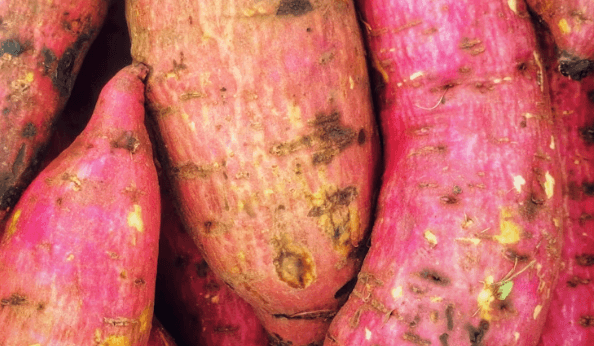
A science-based deep dive into what's actually in those little jars promising hormonal harmony… and what to buy instead.
Your Instagram feed is probably flooded with posts about "natural hormone balance" featuring wild yam creams. The folks on TikTok are especially proud of their “natural yam creams.” Influencers swear by them, wellness brands sell them by the truckload, and the claims are often wilder than the yams themselves.
In my internet search, I found several legitimate-looking companies selling wild yam cream. For example, Moonmaid Botanicals says that their “ProMeno Women’s Wild Yam Cream” is a Natural alternative to synthetic hormone cream… a natural progesterone cream … that supports the body rather than overriding it.”
Made Down on Woodridge Farm offers a well-designed canister of Wild Yam Comfort Cream, containing 1 g of Dioscorea vilosa (wild yam) extract, “crafted in small batches using a unique double-extraction method to unlock maximum potency.” They also advertise it as “our herbal alternative to bio-identical progesterone creams.”
These websites make me want to try these creams - sweet ladies making cream in their industrial kitchen with organic herbs and oils. Looks amazing!
But here's the thing: most of what you're hearing about wild yam creams is about as scientifically accurate as saying you can get drunk by rubbing grapes on your skin. It doesn’t matter how organic or picture-perfect those grapes are, you can’t make wine from transdermally-applied grapes!
The Great Yam Cream Confusion: What Are You Actually Buying?
First, let's clear up what we're dealing with. Saying "wild yam cream" is like saying "vehicle" when you could be talking about anything from a bicycle to a Boeing 747. There are essentially three different products masquerading under this umbrella:
Pure botanical yam creams contain diosgenin, a plant steroid from wild yam (Dioscorea villosa). These are essentially fancy moisturizers that do not contain any hormonal activity.
Progesterone-fortified wild yam creams contain actual USP progesterone that's been synthesized in a lab (often starting with diosgenin) and added back to the cream. Look for "Progesterone USP" on the label - this is your clue that you're getting actual hormone.
The mystery potions make vague "hormone balancing" claims without clear ingredient lists. Regulatory authorities have found some of these containing undeclared hormones – basically, pharmaceutical roulette in a pretty jar.
Myth-Busting: The Wild Claims About Wild Yam
Let's tackle the most persistent myths circulating about wild yam creams:
Myth #1: "Your body converts wild yam to progesterone naturally!"
The Reality: This is like expecting your kitchen to turn flour into a wedding cake without a recipe, an oven, or any actual baking skills.
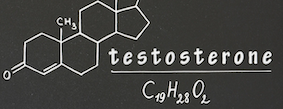
The conversion of diosgenin (the active compound in wild yam) to progesterone requires multiple laboratory steps, first figured out by chemist Russell Marker in the 1940s. It involves precise chemical reactions that simply don't happen in human skin or gut. The human body lacks the enzymes necessary to convert diosgenin into any sex hormones.
Myth #2: "Wild yam cream is a natural alternative to hormone replacement therapy!"
The Reality: This myth combines two false assumptions: that wild yam cream delivers meaningful hormones (it doesn't) and that it can replace prescribed HRT (it absolutely cannot).
Wild yam cream does not convert into estrogen, DHEA, testosterone, cortisol, or progesterone in the human body, despite marketing claims suggesting otherwise. Only products specifically listing "Progesterone USP" actually deliver meaningful hormone, and even those aren't considered equivalent to prescription hormone therapy for most clinical purposes.
If you're currently on prescribed HRT and thinking of switching to wild yam cream, that's a conversation for your healthcare provider, not your wellness influencer.
What Does the Science Say?
First, I’ll admit it - there aren’t too many studies on this. But we do have one well-done study worth mentioning.
The Komesaroff Study: The Gold Standard
The most rigorous study on pure wild yam cream was published in Climacteric in 2001. Researchers conducted a double-blind, placebo-controlled, crossover study of 23 healthy menopausal women suffering from troublesome symptoms. Each woman used either active wild yam cream or a matching placebo in a random order for 3 months.
The results? After 3 months of treatment, there were no changes in weight, blood pressure, cholesterol, FSH, glucose, estradiol, or serum or salivary progesterone. Symptom scores showed a minor effect of both the placebo and active treatments, but no statistically significant difference between the placebo and active creams.
Translation: The wild yam cream performed exactly as well as rubbing nothing on your skin.
One Study by the Makers of Yam Cream
A 2024 study by the makers of Dr Skin BEAUTY Wild Yam Hormonal Salve noted that their natural yam cream improved night sweats, vaginal dryness, sleep disturbances and mood in 24 women but a) there was no control arm and we know how strong the placebo effect is and b) the cream had wild yams as well as several other herbals like chaste berry, red clover and dandelion.
So, while I appreciate that they conducted a study, it wasn’t a particularly strong one and doesn’t change my mind about the utility of natural wild yam cream for peri- and menopausal symptoms.
Wild Yams Are Closer to Estrogen Than Progesterone!
Plot twist! Women smother their skin with wild yam cream, thinking it will act as a “natural progesterone,” but the truth is that wild yams have more estrogenic activity than progesterone-like activity. Yeah, wild yams are weak phytoestrogens (but only when taken orally).
Orally Taken Wild Yams as Phytoestrogens:
In a 2011 randomized controlled trial of 50 menopausal women treated for 6 months with 24 mg/day of oral Dioscorea alata (wild purple yam) extracts, 90% of women experienced improved menopausal symptoms, compared to 70% in the placebo group. These improvements were more significant in the psychological parameters like anxiety, insomnia, and excitability.
In a 2025 study, menopausal women who replaced their staple food (rice) with 390 g of yam (Dioscorea alata) in two of three meals per day for 30 days experienced significant increases in serum concentrations of estrone and SHBG, as well as a near-significant increase in estradiol.
Wild yam exhibits some weak estrogenic activity, but it is emphasized that this activity is weak. In cell studies, wild yam extract upregulated estrogen-responsive genes and progesterone receptors in MCF-7 breast cancer cells, but at potencies significantly lower than those of bioidentical 17β-estradiol.
Are Topically Applied Wild Yams Estrogenic?
No, applying wild yams to the skin does not cause a significant increase in estrogenic activity. The diosgenin found in creams is lipophilic; however, at the low concentration present in creams, it does not reliably pass through the stratum corneum of the skin. There’s no in-skin conversion of diosgenin to estradiol or progesterone. And, the doses in oral wild yam studies shown to affect serum hormone levels or treat symptoms are significantly higher than the doses used in topical wild yam creams.
When Over-The-Counter (OTC) “Balancing Creams” Actually Work
Some yam creams may work for symptom relief, but it's not because of the yam. It's because they contain actual progesterone that's been synthesized and added to the cream. These creams will say “Progesterone USP” on the label, which means “we made progesterone in a lab and then we added it back to this 'natural' wild yam cream.”
For example, Dr. Anna Cabeca has a Balance cream derived from wild yams, but upon examining the ingredients, you see that it contains actual progesterone (and pregnenolone) as well as several natural oils and extracts.
Similarly, RaeNa has a Natural Progesterone Cream that contains progesterone and several natural oils. The label clearly states that each dose contains 50 mg of progesterone, and the Ingredients section lists “micronized progesterone USP (wild yam)”.
In both of these cases, they are using progesterone derived from wild yams in their over-the-counter creams, but they are giving you actual progesterone, which had to be synthesized in a lab from those yams to be active in your body.
Do Progesterone Creams Work?
So, we now understand that wild yam cream won’t do anything for your perimenopausal or menopausal symptoms. But, does progesterone cream help?
Short Answer: Maybe.
What does the body of evidence on transdermal progesterone show?
- Serum progesterone levels barely rise. Serum levels of progesterone rise after applying progesterone creams but seldom reach luteal phase levels. Higher capillary and salivary peaks suggest skin stores and direct tissue delivery, but serum (blood) tests show minimal changes after transdermal progesterone (Du, Joanna 2013)
- Symptom relief is inconsistent. One blinded trial showed clear vasomotor benefits, but several others did not (Wren, 2005).
- Endometrial safety is unproven: Studies on whether transdermal progesterone protects the uterus from estrogen’s proliferative effects have yielded mixed results, so the current guidelines recommend against using topical progesterone if endometrial protection is necessary.
The Bottom Line: What You Need to Know
Pure wild yam creams are overpriced moisturizers. Any clinical benefit reported with such creams likely occurs due to either the placebo effect (most likely) or the addition of other extracts or ingredients.
Progesterone-fortified yam creams are a different beast entirely. They're delivering actual hormone through an OTC route with less regulation and fewer studies than prescription options.
For most situations where reliable symptom control or uterine protection is needed, I still prefer prescription micronized progesterone (oral or vaginal). It's better studied, more precisely dosed, and properly regulated.
For menopausal women with a uterus, on estrogen, transdermal progesterone is not recommended (unless your doctor is very closely watching the thickness of your uterine lining).
But for women in perimenopause who want to experiment with symptom relief and understand what they're actually getting, progesterone-containing creams can be a reasonable option.
Your Action Plan
- Don't expect miracles from pure yam creams – the research is clear they don't work
- If you're trying progesterone creams, monitor yourself – consider serum or urinary hormone levels.
- Work with a healthcare provider who understands the nuances of hormone therapy. Please!
- Don't fall for the "natural is always better" fallacy – chemistry is chemistry, whether it happens in a yam or a lab. Natural is only better when it has been proven to be safer and more effective. Otherwise, it’s just pretty packaging wrapped around idealistic nonsense.
Share this with any woman who's been tempted by wild yam cream marketing – because knowledge is power, and power is what we need to navigate the murky waters of midlife hormone management. What's your experience with these products?
About the Author: Dr. Amy B. Killen, M.D., is a leading physician in regenerative and hormone optimization medicine, specializing in women's health and helping patients navigate their "Queen Phase™" with evidence-based interventions. A board-certified emergency physician turned longevity specialist, she combines cutting-edge treatments, such as stem cell therapy, hormone optimization, and peptides, with practical lifestyle wisdom at her clinics in Utah, Texas, and Florida while sharing her expertise through international speaking engagements and educational content creation.
As Chief Medical Officer of Humanaut Health and founder of the Human Optimization Project (HOP), Dr. Killen is passionate about advancing women’s longevity medicine. Subscribe to her substack here.
References
- Komesaroff PA, Black CV, Cable V, Sudhir K. Effects of wild yam extract on menopausal symptoms, lipids and hormones in healthy menopausal women. Climacteric. 2001;4(2):144-150. https://pubmed.ncbi.nlm.nih.gov/11428178/
- Wren BG, Champion SM, Willetts K, Manga RZ, Eden JA. Transdermal progesterone and its effect on vasomotor symptoms, blood lipid levels, bone metabolic markers, moods and quality of life for postmenopausal women. Menopause. 2003;10(1):13-18. https://pubmed.ncbi.nlm.nih.gov/12544672/
- Hermann AC, Nafziger AN, Victory J, Kulawy R, Rocci ML, Bertino JS. Over-the-counter progesterone cream produces significant drug exposure compared with an FDA-approved oral product. J Clin Pharmacol. 2005;45(6):614-619. https://pubmed.ncbi.nlm.nih.gov/15901742/
- Burry KA, Patton PE, Hermsmeyer K. Percutaneous absorption of progesterone in postmenopausal women treated with transdermal estrogen. Am J Obstet Gynecol. 1999;180(6 Pt 1):1504-1511. https://pubmed.ncbi.nlm.nih.gov/10368498/
- Stanczyk FZ, Paulson RJ, Roy S. Percutaneous administration of progesterone: blood levels and endometrial protection. Menopause. 2005;12(2):232-237. https://pubmed.ncbi.nlm.nih.gov/15741285/
- Leonetti HB, Wilson KJ, Anasti JN. Topical progesterone cream has an antiproliferative effect on estrogen-stimulated endometrium. Fertil Steril. 2003;79(1):221-222. https://pubmed.ncbi.nlm.nih.gov/12524095/
- Leonetti HB, Landes J, Steinberg D, Anasti JN. Transdermal progesterone cream as an alternative progestin in hormone therapy. Altern Ther Health Med. 2005;11(6):36-38. https://pubmed.ncbi.nlm.nih.gov/16320858/
- O’Leary P, Feddema P, Chan K, Taranto M, et al. Salivary, but not serum or urinary, levels of progesterone are elevated after topical application of progesterone cream. Clin Endocrinol (Oxf). 2000;53(5):615-620. https://pubmed.ncbi.nlm.nih.gov/11068971/
- Waddell BJ, O’Leary PC. Distribution and metabolism of topically applied progesterone in a rat model. J Steroid Biochem Mol Biol. 2002;80(4-5):449-455. https://pubmed.ncbi.nlm.nih.gov/11897370/
- Kwon HY, Ahn WS, Bae S, Rhyu MR, Lee YJ. Estrogenic activity and cellular effects of wild-yam extract in MCF-7 human breast cancer cells. J BioSci BioTechnol. 2009;4:231-236. https://doi.org/10.1142/S0192415X09006746
- Chang KJ, Lee TT, Linares-Cruz G, Fournier S, de Lignières B. Influences of percutaneous estradiol and progesterone on human breast epithelial cell cycle in vivo. Fertil Steril. 1995;63(4):785-791. https://pubmed.ncbi.nlm.nih.gov/7895681/
- Carey AN, Lewis JH, Stanczyk FZ, et al. A study to evaluate serum and urinary hormone levels following short- and long-term administration of transdermal progesterone cream in post-menopausal women. BJOG. 2000;107(6):707-712. https://pubmed.ncbi.nlm.nih.gov/10847226/