Health Coach Tip - 6 Ways to Help Protect Your Thymus
Most people outside of the medical field have never heard of the thymus. Yet this small gland, located behind the breastbone, plays a critical role in training the T cells that help your body fight infections, identify cancer cells, and maintain immune resilience throughout life.
Interest in the thymus has grown recently with the rise of immune-supportive peptides such as Thymosin Alpha-1, which you may have heard discussed in the longevity and functional medicine world. While peptides can support immune signaling and resilience, they also shine a light on the importance of the thymus itself — an organ that naturally declines with age and may influence how well the immune system adapts over time. You can learn more in our blog, “Your Resilience Prescription: 8 Smart Strategies for Creating Physical and Mental Longevity.”
Understanding the thymus helps us better understand why immune health changes with aging — and why supporting this often-overlooked organ may be an important part of long-term wellness and longevity.
1. Avoid chronic dieting and extreme calorie restriction
The thymus is highly sensitive to energy availability. Research has shown that malnutrition, severe calorie restriction, and prolonged energy deficits can accelerate thymic shrinkage and impair T-cell production. While maintaining a healthy weight is important, constantly under-fueling your body may come at a cost to your immune system.
Health coach tip: Skip the crash diets. Focus on sustainable nutrition that supports both metabolic health and immune function.
2. Prioritize zinc-rich foods
Zinc plays a critical role in thymic function and T-cell development. In fact, zinc deficiency has been associated with thymic atrophy and impaired immune responses. Because the body does not store large amounts of zinc, regular intake is important.
Health coach tip: Include zinc-rich foods such as oysters, pumpkin seeds, lentils, chickpeas, eggs, yogurt, and nuts as part of your weekly routine.
3. Lift weights and preserve muscle mass
The thymus contains receptors for growth hormone and IGF-1, two signaling molecules involved in tissue maintenance and repair. Some of the most exciting thymic regeneration research has explored these pathways. Strength training also helps preserve skeletal muscle, which acts as an important regulator of inflammation and immune health.
Health coach tip: Aim for resistance training at least 2–3 times per week. Building muscle isn't just about strength, it may help support a more resilient immune system as you age.
4. Manage chronic stress before it manages you
The thymus is particularly vulnerable to elevated cortisol levels. Chronic psychological stress has been linked to accelerated thymic involution and reduced immune function. Over time, persistent activation of the body's stress response may contribute to faster immune aging.
Health coach tip: Daily stress-management practices such as walking, meditation, yoga, breathwork, or simply spending time in nature can help lower the burden of chronic stress on your body.
5. Prevent excess visceral fat accumulation
The fat surrounding your abdominal organs is not just stored energy, rather it is metabolically active tissue that produces inflammatory compounds. Chronic inflammation is one of the drivers of thymic decline and immune aging. Studies have found that healthier thymic function is associated with lower levels of inflammation and better long-term health outcomes.
Health coach tip: Pay attention to waist circumference, strength, and metabolic health—not just the number on the scale. Maintaining a healthy body composition may help preserve immune resilience over time.
6. Support your gut microbiome with prebiotics and probiotics
The gut microbiome and the immune system, including the thymus, are deeply connected. The trillions of bacteria that live in your digestive tract help regulate inflammation, influence immune cell development, and support overall immune resilience.
Research suggests that a healthier and more diverse microbiome may help create an environment that supports healthy immune aging. Some studies have found that certain probiotic strains and prebiotic fibers can improve immune function and reduce inflammatory signaling that contributes to age-related immune decline.
A 2020 review concluded that probiotics have shown promise in supporting immune function, improving immune cell activity, and reducing inflammatory processes associated with aging (albeit, in infants). While researchers have not yet demonstrated that probiotics directly prevent thymic involution, growing evidence suggests that maintaining a healthy gut microbiome may help create an environment that supports more youthful immune function throughout life.
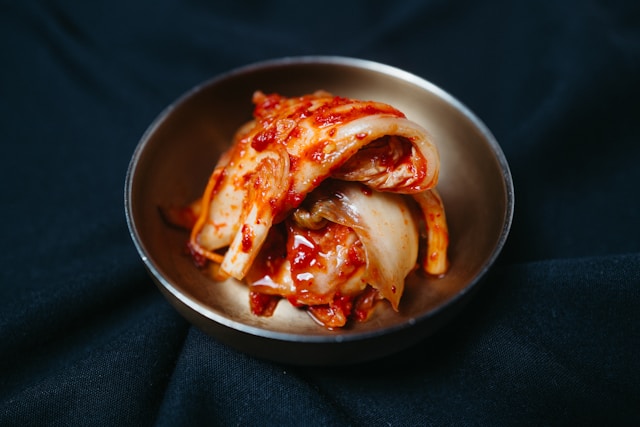
Health Coach Tip: Feed your beneficial gut bacteria by regularly consuming prebiotic-rich foods such as onions, garlic, leeks, asparagus, oats, legumes, and apples. Consider incorporating fermented foods like yogurt, kefir, sauerkraut, kimchi, and miso to provide beneficial probiotic organisms.
Keep your thymus in mind
Once thought to become largely irrelevant after childhood, scientists now recognize the thymus as a central player in immune resilience, infection defense, cancer surveillance, and healthy aging.
While researchers continue to investigate therapies that may regenerate the thymus, the most effective strategies available today are surprisingly practical: nourish your body adequately, maintain muscle, manage stress, consume key nutrients such as zinc, avoid the chronic inflammation that accelerates immune aging, and boost your gut health.
Taking care of your thymus won't guarantee a longer life but protecting it may help you age with greater resilience, vitality, and health!