Are You Aging Out of Sync? Circadian Rhythm Dysfunction May Be To Blame!

Aging is inevitable, but that doesn’t mean it’s an uncontrollable free fall. There are ways to slow the pace at which resilience fades and the body breaks down.
One of the simplest, most direct, and most overlooked strategies is working with your internal clock — and preventing circadian rhythm dysfunction from quietly speeding the process along. Circadian rhythm dysfunction is a surprisingly potent accelerator of aging — and most of us don’t realize it’s happening.
Your circadian rhythm isn’t just about sleep. It influences how efficiently you repair damage, regulate hormones, manage inflammation, and generate energy. When it stays strong, aging tends to unfold more gradually. When it weakens, aka slips into dysfunction, biological wear and tear accelerates — often without obvious warning signs.
So, let’s take a look at this less talked about but major aging accelerator, and how to combat it – starting now:
Meet your internal clock.
Before diving into circadian rhythm dysfunction, it helps to understand the system being disrupted in the first place.
Your circadian rhythm is your body’s internal 24-hour timing system. It helps determine when you feel alert or sleepy, when hunger kicks in, how efficiently your body repairs itself, and how well your immune system responds to threats. Research from the National Institutes of Health shows that circadian rhythm influence nearly every major physiological system, from metabolism to brain function.
Like many biological systems, the circadian clock doesn’t remain perfectly stable across your lifespan. With age, its signals tend to weaken and drift. That shift can interfere with sleep, hormone regulation, immune function, and cellular repair — all processes closely tied to aging.
The positive take-away here is that circadian rhythm remains responsive well into later life. So, getting in synch now can make a big difference in your aging process. Put it this way: when your clock runs smoothly, the body functions with impressive precision. When it falters, aging tends to accelerate, quietly but persistently. Why give it the chance?
So, what is circadian dysfunction anyway?
Circadian rhythm dysfunction occurs when your internal clock is no longer well aligned with the external world — when light exposure, sleep timing, eating patterns, and repair processes fall out of sync with one another.
The out-of-synch-ness rarely announces itself dramatically. Instead, it sneaks in as lower-level annoyances, like lighter, more fragmented sleep; low-grade fatigue; slower recovery; mental fog; and a metabolism that feels less sprightly than it once did.
This matters because the circadian system doesn’t just regulate sleep. It coordinates the timing of cellular repair, hormone release, immune activity, and energy use. When those processes get out of step, damage piles up more quickly and resilience declines. That helps explain not only that we age, but how and how quickly aging unfolds.
According to the National Institute on Aging, disruptions to circadian timing are linked to sleep problems, metabolic disease, cognitive decline, and reduced physical function in older adults.
Circadian rhythm keeps the body on the beat.
Circadian rhythms function like a biological operating system. They are built-in cycles that coordinate activity across the body, helping determine when to wake, eat, move, rest, and repair. They influence things you notice, like energy levels and appetite and many that you don’t, like body temperature, blood pressure, hormone release, immune signaling, and cellular cleanup.
At the center of this system is your hypothalamus, a small cluster of neurons in the brain called the suprachiasmatic nucleus (SCN). The SCN uses light signals from your eyes to track day and night and then synchronizes the numerous clocks throughout your body. Harvard Medical School’s Division of Sleep Medicine describes the SCN as the master pacemaker that keeps bodily rhythms aligned.
What makes the circadian system both so powerful and also so fragile is that nearly every organ has its own clock. The liver, muscles, fat tissue, immune cells, and skin all follow their own daily rhythms. When those clocks are synchronized with the brain’s master clock, the system runs efficiently. When they drift apart, physiological stress builds, and circadian dysfunction starts to get a toe-hold.
Aging throws your clock off the beat.
Here’s where the passage of time throws a monkey wrench into the process. As we get older, circadian rhythms tend to lose precision. Many people notice earlier wake times, earlier evening sleepiness, and sleep that doesn’t feel all that deep anymore. Nighttime awakenings become more common, deep restorative sleep declines.
At the same time, sensitivity to light decreases. Aging eyes transmit less light to the brain, so the SCN becomes less responsive to light cues and the brain has a harder time distinguish day from night. Hormone rhythms flatten. Daily fluctuations in alertness, body temperature, and metabolism become less pronounced.
Below the surface, the master clock itself weakens. Its signals lose strength, and coordination between organs begins to fray. The body is still functioning, but with a lot less internal harmony. (It’s like every clock for itself vs. playing like a well-coordinated team.)
This gradual “clock drift” may feel subtle, but its consequences extend far beyond sleep quality.
Circadian rhythm, dysfunction and aging meet at the cellular level.
Circadian rhythms matter because they are deeply embedded in the biology of aging. Many of the genes that keep the circadian clock running also regulate cellular repair, metabolism, and stress resistance.
One core circadian gene is BMAL1. Animal studies have shown that loss of BMAL1 leads to premature aging, muscle loss, cataracts, metabolic dysfunction, and shortened lifespan. Another key gene is SIRT1 which influences circadian timing as well as DNA repair, mitochondrial function, and metabolic health. SIRT1 activity declines with age, weakening both clock regulation and cellular resilience.
In science talk, circadian rhythms influence genomic stability, epigenetic regulation, nutrient sensing, mitochondrial efficiency, stem cell renewal, and inflammation control — all hallmarks of aging. In plain speaking, a body that loses its sense of time tends to age faster.
Circadian disruption is good at accelerating aging, too good.
It’s well understood that shift work, irregular sleep, and chronic sleep deprivation increase the risk of chronic disease. Circadian biology explains why.
When sleep, light exposure, and eating patterns are out of whack, the aging process speeds up. Metabolism – how the body turns food into energy –becomes less efficient which means an increased risk weight gain, insulin resistance, and type 2 diabetes. Brain health also suffers, with a higher risk of memory problems and neurodegenerative disease. And let’s not forget the heart. When the heart’s own daily rhythms are disrupted, heart disease becomes that much more likely.
Then there’s the immune system. When that clock is off, immune defenses weaken and chronic inflammation rises, part and parcel of unhealthy aging and a driver of most, if not all, age-related diseases. Large population studies have also linked circadian disruption to higher cancer risk, likely due to impaired control of cell growth and DNA repair.
In other words, circadian dysfunction doesn’t just reflect aging — it actively contributes to it.
Our 24/7 lifestyles don’t help the sitch.
While aging naturally weakens circadian rhythms, modern life often magnifies the problem. Artificial light at night, constant screen exposure, irregular schedules, late-night eating, and round-the-clock stimulation all send mixed signals to your clocks.
The brain may interpret the environment as daytime while peripheral organs operate as if it’s night. Over time, this internal “desynchronization” turbocharges a decline in physiological function that we all experience, to different degrees, as we get older. Many of us are left feeling chronically tired, mentally foggy, and metabolically off balance.
In many cases, we’re not just aging — we’re aging out of sync.
You can realign your clock to keep time better.
Circadian rhythm health isn’t an abstract concept or a sleep-only issue. It’s a whole-body issue that quietly shapes how we feel, function, and age. The good news is that supporting it is very doable. In fact, most of what your internal clock needs comes down to clear, consistent signals. What to do to nudge your clock back into the groove? Here are a couple of ways to do it:
- Morning light remains the most powerful cue. Bright light early in the day anchors the clock and supports nighttime melatonin production. Evening darkness matters just as much. Dimming lights and limiting screens after sunset helps the brain shift into repair mode.
- Regularity matters more than perfection. Consistent sleep and wake times strengthen circadian signaling, even when sleep quality varies. Large schedule swings, especially on weekends, are far more disruptive than an occasional short night.
- Movement during the day. It reinforces circadian timing and supports metabolic and cognitive health. Morning or early afternoon activity tends to be most helpful, while intense late-night exercise can throw off the getting-ready-for-sleep phase.
- Meal timing matters. Why? Because it also sends strong signals to the clock. Eating earlier in the day and avoiding late-night snacking helps align metabolic rhythms. Consistency matters more than strict fasting rules.
- Caffeine and alcohol deserve attention as well. Late-day caffeine can delay circadian timing even when sleep feels unaffected. Alcohol may feel sedating but disrupts circadian rhythms and sleep patterns behind the scenes.
- Chronotherapy can help too. Aligning medications and activities with biological timing is good common sense and an emerging research field. Chronotherapy recognizes that when something happens can matter as much as what happens.
Targeted supplements, hormones and a peptide can also help turn the ship around.
While I would always advise a healthy habits first approach, when it comes to pushing back on circadian rhythm dysfunction supplements may add additional firepower. Keep in mind however that supplements alone cannot compensate for conflicting the signals that bad habits send to your brain – so supplementation should be your last stop not your first.
That said, there are a few options which, when used strategically and with guidance from your health care provider, can help you tune out of dysfunction and into a better rhythm. The ones that make the cut:
- Melatonin: As melatonin production declines with age, melatonin can help reinforce the nighttime sleep signal when used thoughtfully
- Magnesium and Glycine: Magnesium helps calm neural excitability, while glycine supports sleep onset and nighttime circadian signaling, so they work well together, impacting different biological pathways (without acting as a direct sedative)
- Phosphatidylserine: 100-300mg taken at night, if cortisol levels are high at night, can help reduce high cortisol levels, making nighttime downshifting easier
- Epithalon: A peptide, taken short-term, 2 or 3 times a year can also help. It works by strengthening the body’s natural day–night signals, helping the pineal gland release melatonin at the right time and keeping internal clock genes in sync.
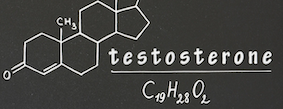
- Hormone therapy: Have your health care provider check your hormone levels, and work on replacing what may be low, as declining levels can alter circadian amplitude and replacing them can help restore rhythm.
The most important takeaway of all.
Your body is constantly alert for cues about time. When those cues are clear and consistent, biological systems stay coordinated. When they’re not, you’re out of alignment and then it’s a matter of adjusting your everyday routine to help keep your internal clock, and all the clocks connected to it, running smoothly. Small daily habits can have outsized effects on how we feel, how we function, and how resilient our bodies remain over time, so the sooner you start, the younger and more vital you’ll stay for decades to come!